

Car Clay Bar 100g – Paint Decontamination
Car Clay Bar 100g – Paint Decontamination
Couldn't load pickup availability
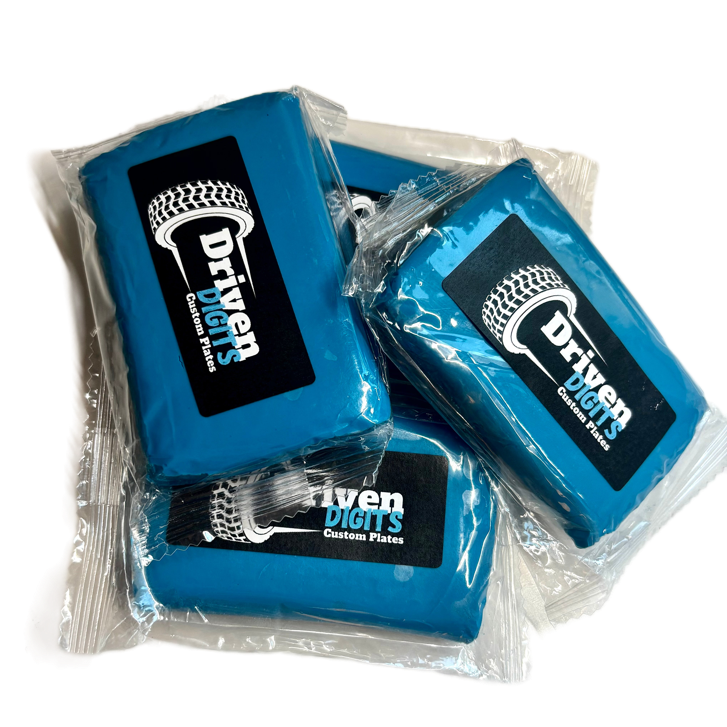
Prepare your paintwork for polishing and protection with the Driven Digits 100g Car Clay Bar. This automotive detailing clay helps remove bonded contamination left behind after washing, leaving the surface feeling smoother.
Use it with suitable clay lubricant before polishing, waxing or the preparation stages for sealants and ceramic protection.
100g Car Clay Bar Specifications
- Weight: 100g
- Product type: Automotive detailing clay bar
- Use: Mechanical surface decontamination
- Suitable surfaces: Vehicle paintwork, exterior automotive glass and suitable painted alloy-wheel surfaces
- Reusable: While clean and workable
- Lubrication required: Yes
What Does a Car Clay Bar Remove?
A contact wash removes loose dirt, but some particles remain bonded to the surface. Detailing clay can help lift contaminants such as:
- Industrial fallout and brake dust particles
- Bonded road grime and environmental deposits
- Tree sap residue
- Light tar residue
- Overspray
Heavily contaminated areas may benefit from suitable chemical fallout or tar removal before claying. Do not try to remove stubborn deposits by pressing harder.
When Should You Clay Your Car?
After thoroughly washing and drying the vehicle, gently feel the clean paint with your fingertips. If it still feels rough, gritty or textured, bonded contamination may be present.
Clay treatment is a preparation stage, not a replacement for washing. Use it when needed before polishing or paint protection rather than automatically at every wash.
How to Use a Car Clay Bar
- Wash the vehicle thoroughly. Remove loose dirt, grit and road grime. Never clay a dirty vehicle.
- Prepare the clay. Knead a suitable piece until pliable, then flatten it into a manageable shape.
- Lubricate a small area. Apply plenty of dedicated clay lubricant or a detailing spray suitable for use with clay. Keep the surface lubricated throughout.
- Glide gently. Move the clay backwards and forwards with light pressure. Do not scrub or force it over stubborn contamination. It should move more smoothly as contamination is removed.
- Inspect and fold regularly. Fold dirty sections inward and reshape the clay to expose a clean working face. Do not rub collected contamination against the paint.
- Wipe the panel. Remove remaining lubricant with a clean microfibre towel once the area feels smooth.
- Continue section by section. Reapply lubricant as needed, then move on to your polishing or protection preparation process.
Important Clay Bar Precautions
- Never use on dry paintwork. Suitable lubrication reduces friction; add more if the panel begins to dry.
- Use light pressure. Mechanical decontamination can cause light marring, particularly on softer or heavily contaminated paint. This is one reason claying is often performed before polishing.
- Keep the clay clean. Regularly fold it to expose a fresh surface and discard heavily contaminated clay.
- Discard dropped clay. Grit picked up from the ground could damage the surface. Do not reuse that piece on your vehicle.
- Test unfamiliar finishes. For specialist, delicate or unusual surfaces, test a small inconspicuous area first.
Suitable Surfaces
This detailing clay can be used on vehicle paintwork, exterior automotive glass and suitable painted alloy-wheel surfaces. Always clean and lubricate the surface before use.
Car Clay Bar FAQs
Do I need clay lubricant?
Yes. Always use suitable lubrication so the clay can glide across the surface. Never drag it over dry paintwork.
Should I clay before or after polishing?
Clay before polishing, when bonded contamination is present. This removes particles before paint correction or refinement.
Can I clay before waxing or ceramic protection?
Yes, when decontamination is needed. Claying is one preparation stage, not a substitute for the full surface-preparation process required by your chosen protection product.
Can a clay bar scratch paint?
Contaminated clay, insufficient lubrication or excessive pressure can mark paint. Even careful mechanical decontamination can introduce light marring on some finishes, so work gently and inspect the surface as you go.
Can I reuse the clay bar?
Yes, while it remains clean and workable. Fold it regularly to expose a fresh surface. Discard heavily contaminated pieces or any clay dropped on the ground.
Can I use it on glass or alloy wheels?
It is suitable for exterior automotive glass and suitable painted alloy-wheel surfaces. Clean first, use appropriate lubrication and test specialist finishes in an inconspicuous area.
Order Your 100g Car Clay Bar
Add the Driven Digits Car Clay Bar to your detailing kit for smoother surfaces and preparation beyond a normal wash. Use with suitable lubricant and follow the precautions above.
Share
Let customers speak for us
from 108 reviewsVery pleased
Was after a rear plate in 4d gel and customer service was brilliant and also fast and got them done same day which I really appreciated anyone looking to get plate made I highly recommend
Spot on and just exactly how i wanted it to be!
Great quality, really quick and professional service. Would recommend.
Great service, friendly, fast, plates perfect thanks
Really great company for plates. They arrived within 2 days, really well packaged and the 4D looks awesome. Great communication through out.
really quick turn around and quick shipping. love my new plates
The plates are amazing look 🔥 definitely recommend these delivery was very fast as well which was a bonus
Very happy with my new plates great service quick even helped put them on for me thank you so much will be back again soon.
Came next day delivery and got exactly what I ordered
I was very pleased with the service that was given by Driven Digits. The 4D retro number plates look amazing, I’ve received so many compliments from friends and family. I would highly recommend Driven Digits. A class service!
This is my second set of plates from Driven, Honestly there the best quality & fastest plates I’ve ever had (I’ve had a lot of number plates), There’s no one else for the job.
Great quality and plates came in quick definitely recommend them 10/10
Excellent service and the number plates looks awsome
Great store. Very good customer service, willing to help in any way possible. Will be purchasing any future plates from here for sure! Definitely recommend.